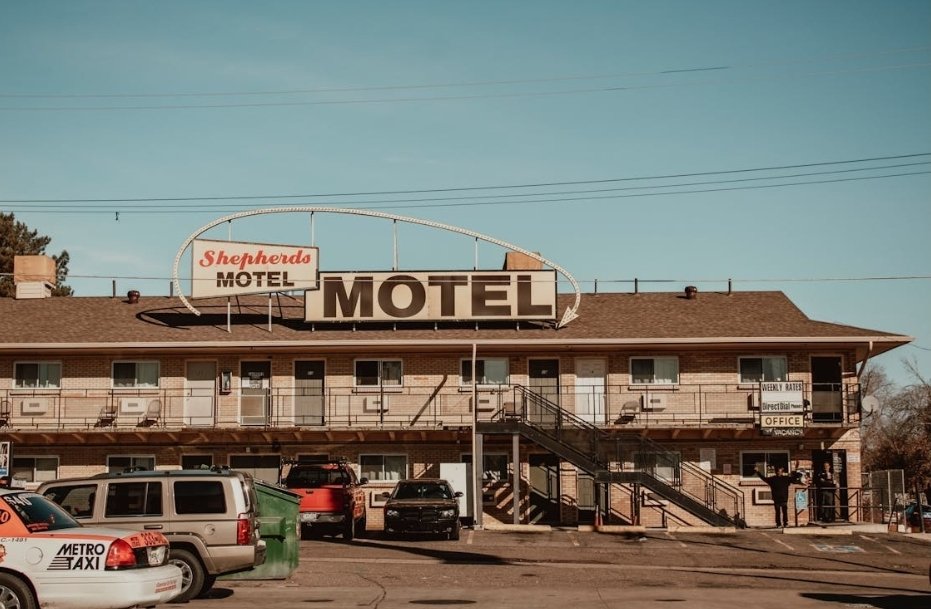
Motels and their business in Canada make up a unique and often underestimated segment of the hospitality industry. While luxury hotels, boutique stays, and short‑term rentals grab much of the attention, motels quietly serve millions of travelers, workers, and families every year. They are deeply connected to Canada’s highways, small towns, and regional economies, and they continue to evolve as traveler expectations change.
This blog post explores what motels are, how their business works in Canada, the opportunities and challenges they face, and what prospective owners should know before entering this field.
Motels—short for “motor hotels”—were originally designed for motorists who needed simple, convenient lodging along major roads. In Canada, this concept still defines much of the sector: motels are usually located near highways, on the outskirts of cities, or in small communities where large hotels are not present or practical.
Typical features of motels include:
- Direct‐to‑room access, often with parking spaces right outside the door
- Basic, functional rooms rather than luxury amenities
- Lower prices compared to mid‑range and high‑end hotels
- Proximity to highways, industrial areas, small tourist attractions, or border crossings They matter because they fill crucial gaps in accommodation:
- Budget‑conscious travelers and families often rely on motels for affordable stays.
- Truck drivers, contractors, seasonal workers, and traveling salespeople frequently prefer motels for convenience and parking.
- Small towns and rural communities use motels to host visitors for local events, family gatherings, or regional tourism.
Even as the travel market becomes more sophisticated, the fundamental appeal of a clean, safe, affordable place to sleep remains strong—and motels are built around exactly that need.
Types of Motel Businesses in Canada
Not all motels look or operate the same way. Across Canada, you can find several business models and positioning strategies among motels.
- Classic roadside motels: Typically single or two‐storey buildings along highways or
main roads, with exterior corridors and drive‑up rooms. These focus on overnight stays and short visits.
- Town‑center motels: Located near the center of small or mid‑sized towns, serving local business travelers, visiting families, and tourists attending regional events.
- Branded/franchise motels: Operate under national or international chains. They benefit from brand recognition, centralized reservation systems, and standardized standards, but must pay franchise fees and follow brand rules.
- Independent family‑run motels: Often owned and managed by families, sometimes
for generations. They may offer a more personal touch, flexible pricing, and a unique character.
- Extended‑stay style motels: Some motels adapt to longer‑term guests—such as
workers on contracts or people relocating—by offering weekly or monthly rates, kitchenettes, and laundry facilities.
Understanding these variations is important for anyone thinking about motel ownership. Each type serves a slightly different customer mix and requires different investments in facilities, amenities, and marketing.
Location and Market Positioning
For motels and their business in Canada, location is one of the most critical success factors. Unlike some hotels that can rely on convention centers, airports, or central business districts, motels depend heavily on visibility and access from the road.
Key location considerations include:
- Proximity to highways and major routes: A motel that is clearly visible from the road, with easy entry and exit, will attract more drive‑by guests. Good signage and accessible parking are essential.
- Nearby demand generators: Industrial areas, factories, construction sites, tourist attractions, national parks, ski resorts, lakes, and border crossings all generate steady flows of potential guests.
- Local competition: The presence of other motels, hotels, and short‑term rentals
(like cottages or vacation homes) affects pricing and occupancy. A motel in an area with limited alternatives can command stronger, more stable demand.
- Town and regional reputation: The general safety, cleanliness, and attractiveness of the region matter. Guests form impressions quickly from the surrounding environment.
Motel Operations and Daily Realities
Running a motel in Canada is a hands‑on, operationally intense business. Many motels are owner‑operated, with the owners living on‐site or nearby and being involved in day‑to‑day activities.
Typical operational tasks include:
- Front desk and reservations: Handling walk‑in guests, phone calls, and online bookings. Many motels now use modern booking systems and online travel agencies to increase visibility and manage availability.
- Housekeeping and maintenance: Cleaning rooms, changing linens, maintaining bathrooms, and ensuring everything functions properly. Given the often tight budgets, motels must balance labour costs with cleanliness standards.
- Security and guest management: Monitoring the property, managing noise complaints or issues between guests, and ensuring the safety of visitors and staff.
- Facility upkeep: Regular repairs, painting, heating and cooling system maintenance, and exterior work (parking lot, lighting, signage, landscaping) all affect guest impressions.
- Financial and administrative work: Managing accounts, paying bills, tracking revenue, handling taxes, and dealing with insurance and compliance requirements.
In many smaller motels, the owner and family members perform multiple roles—front desk, cleaning, bookkeeping, and sometimes minor maintenance. This can keep costs down, but also leads to long working hours and a need for broad skill sets.
Financial Aspects and Profit Drivers
The business side of buying a motel for sale in Canada revolves around a few key financial concepts: occupancy rate, average daily rate (ADR), and revenue per available room (RevPAR). Even if owners don’t use these exact terms, they are sensitive to how many rooms are filled, at what price, and how that covers operating costs.
Important financial drivers include:
- Occupancy: The percentage of rooms filled on a given night. Motels in areas with consistent through‑traffic or strong local industries often enjoy stable occupancy.
- Pricing strategy: Room rates must reflect local competition, seasonality, and the condition of the rooms. Discounting can fill rooms, but heavy discounting without cost control can hurt profits.
- Ancillary revenue: Some motels earn additional income from vending machines, small convenience shops, laundry facilities, or partnerships with local businesses (such as selling tickets or coupons).
- Cost control: Utilities, cleaning supplies, linens, repairs, insurance, property taxes, staff wages, and franchise fees (if applicable) all eat into revenue. Tight management of these costs is crucial, especially in winter when heating expenses rise in many parts of Canada.
- Capital improvements: Periodic renovations—replacing carpets, updating bathrooms, upgrading beds, repainting walls—require significant investment but can justify higher rates and attract better guests.
Successful motel owners learn to balance short‑term profitability with long‑term asset value, treating the property not just as a business but also as real estate that can appreciate if maintained and improved.
Guest Expectations and Service Quality
Guest expectations for motels have changed significantly over time. Travelers still understand that motels are usually simpler than full‑service hotels, but there are certain non‑negotiables today.
Typical expectations include:
- Cleanliness: Rooms, bathrooms, linens, and public areas must be thoroughly cleaned. Cleanliness is often the single biggest driver of positive or negative reviews.
- Safety and security: Adequate lighting, secure locks, visible staff presence, and clear policies on noise and behavior contribute to a sense of safety.
- Comfortable beds and basic amenities: A good mattress, functioning heating and cooling, hot showers, and basic amenities like Wi‑Fi and televisions are standard expectations, even at budget motels.
- Friendly service: A warm welcome, helpful information about the area, and responsive handling of issues leave lasting impressions.
- Transparency: Clear communication about pricing, deposit policies, pet rules, smoking or non‑smoking rooms, and check‑in/check‑out times helps avoid disputes.
Since online reviews are now easily accessible, even small motels must pay attention to their reputation. A handful of negative reviews about cleanliness or safety can significantly reduce bookings. On the other hand, consistent praise for friendliness, cleanliness, and value can keep occupancy high.
Marketing and Online Presence
In the past, many motels relied primarily on roadside visibility and word‑of‑mouth. While those elements still matter, the digital world has become central to motel marketing in Canada.
Key aspects of modern motel marketing include:
- Online travel agencies and booking platforms: Listing rooms on major platforms increases visibility to travelers who plan, especially tourists and international visitors.
- Website and direct booking: A simple, mobile‑friendly website with photos, room
descriptions, and direct booking options helps capture guests who prefer to deal directly.
- Online reviews and ratings: Responding politely to reviews, thanking guests for positive feedback, and addressing concerns constructively show future guests that the owner cares.
- Local search and maps: Accurate information on maps (address, phone number, check‑in times, amenities) is crucial for travelers on the road using navigation apps.
- Partnerships: Agreements with local attractions, tour operators, or restaurants can generate referrals. For example, offering discount coupons for nearby diners or arranging packages for local festivals.
Some motels also experiment with niche marketing: targeting motorcyclists, fishing and hunting groups, ski or snowmobile travelers, or pet‑friendly tourism. A clear niche can help a property stand out even in areas with multiple lodging options.
Challenges Facing Motels in Canada
Motels and their business in Canada face several structural and operational challenges that owners must be prepared to address.
Common challenges include:
- Aging infrastructure: Many motels were built decades ago and require continual maintenance and modernization to meet modern expectations for comfort and safety.
- Competition from hotels and short‑term rentals: Branded hotels, budget chains, and online short‑term rentals (like cottages and apartments) compete for the same price‑sensitive travelers.
- Seasonal demand: In many regions, travel is highly seasonal. Summer tourism or winter sports might bring strong demand for part of the year, while off‑season months are slow. Owners must plan cash flow carefully.
- Rising operating costs: Utilities, insurance, property taxes, and wages rise over time. Without strategic rate management and cost control, margins can shrink.
- Staffing: In areas with small populations or high competition for labour, finding reliable staff for housekeeping, front desk, and maintenance can be difficult.
- Perception issues: Some travelers associate motels with outdated or unsafe environments. Overcoming this perception requires clear, consistent improvements and marketing.
Despite these challenges, many motels remain profitable by focusing on value, cleanliness, and personal service, and by gradually upgrading facilities to keep pace with guest expectations.
Opportunities and Future Directions
While motels might seem old‑fashioned to some, there are interesting opportunities for innovation and repositioning within this segment of the Canadian hospitality market.
Potential opportunities include:
- Renovation and rebranding: Updating old motels with fresh design, improved bathrooms, better bedding, and modern technology can transform them into attractive, affordable properties that appeal to younger travelers and families.
- Niche positioning: Developing a clear identity—such as a pet‑friendly motel,
outdoor adventure base, motorist‑friendly with EV chargers, or family‑friendly with playgrounds—can differentiate a property in a crowded market.
- Eco‑friendly practices: Implementing energy‑efficient lighting, water‑saving fixtures, recycling programs, and local partnerships can reduce costs and attract environmentally conscious guests.
- Extended‑stay offerings: Providing kitchenettes and weekly or monthly rates can capture long‑stay guests like seasonal workers, project teams, or relocating families.
- Technology upgrades: Keyless entry, online check‑in, improved Wi‑Fi, and user‑friendly booking systems make operations more efficient and enhance guest satisfaction.
Given Canada’s vast geography, long highways, and diverse regional economies, motels are likely to remain relevant for many years. Travelers will always need affordable, convenient places to rest, and smartly run motels can continue to meet that need while evolving with the times.