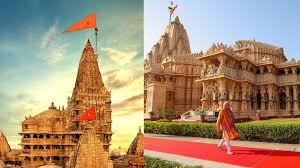
Planning a sacred journey to the land of Lord Krishna and the first Jyotirlinga requires careful thought and detailed logistics. Selecting the right dwarka somnath tour packages ensures that your pilgrimage is focused on devotion rather than the stresses of travel. This circuit, often referred to as the “Devbhumi” tour, connects two of the most significant sites in Hindu mythology. Whether you are traveling from the bustling cities of the North or the coastal regions of the South, a well-structured itinerary provides a seamless transition between the ancient legends of Dwarka and the coastal majesty of Somnath.
Significance of the Dwarka and Somnath Pilgrimage
The journey to Dwarka and Somnath is more than a mere vacation; it is a spiritual milestone for millions. Dwarka, situated on the western tip of the Saurashtra peninsula, is revered as the ancient kingdom of Krishna. It is one of the four pillars of the Chardham yatra. The Dwarkadhish Temple, with its five-storied structure supported by 72 pillars, stands as a testament to architectural brilliance and unwavering faith.
A few hours away lies Somnath, home to the Eternal Shrine. The Somnath Temple is the first among the twelve Jyotirlingas of Shiva. Having survived multiple destructions throughout history, the temple stands today as a symbol of the “triumph of the eternal over death.” Visiting both sites together allows devotees to experience the union of Hari (Vishnu) and Hara (Shiva), making it a complete spiritual circle.
Ideal Itinerary for a Five-Day Devotional Circuit
A standard trip typically spans four to five days to cover all major sites without rushing.
- Day 1: Arrival in Jamnagar or Rajkot – Start your journey by heading toward Dwarka. If you land in Jamnagar, visit the Bala Hanuman Temple, famous for its continuous chanting of “Sri Ram, Jai Ram, Jai Jai Ram” since 1964.
- Day 2: Dwarka Local Sightseeing – Attend the early morning Mangla Aarti at Dwarkadhish Temple. Later, visit Rukmini Devi Temple, Gopi Talav, and Nageshwar Jyotirlinga.
- Day 3: Beyt Dwarka and Transit – Take a ferry to Beyt Dwarka, the supposed residence of Krishna. In the afternoon, begin the drive toward Somnath, stopping at Porbandar.
- Day 4: Somnath Temple and Surrounding Sites – Experience the morning prayer at Somnath Temple. Visit the Bhalka Tirth, where Krishna is said to have left his mortal body, and the Triveni Sangam.
- Day 5: Departure – Depending on your return flight or train, you can visit the local markets for handicrafts before heading to the nearest transit hub.
Key Attractions in Dwarka You Cannot Miss
While the Dwarkadhish Temple is the centerpiece, the surrounding region is steeped in lore. Beyt Dwarka is an island accessible by boat from Okha port. It is believed that Sudama met Krishna here. The underwater excavations near this island have revealed remains of an ancient city, adding a layer of historical intrigue to the spiritual visit.
Another essential stop is the Nageshwar Jyotirlinga. It is one of the twelve Jyotirlingas and features a massive statue of Lord Shiva that can be seen from a distance. The Rukmini Devi Temple, located slightly outside the main city, is dedicated to Krishna’s chief queen. Local legends explain why her temple stands apart from the main Dwarkadhish complex, often attributed to a sage’s curse regarding water.
Exploring the Coastal Grandeur of Somnath
Somnath offers a different atmosphere, characterized by the roaring Arabian Sea and the rhythmic sounds of temple bells. The current temple, built in the Chalukya style, sits right on the shoreline. The “Arrow Pillar” or Baan Stambh at the temple points directly to the South Pole with no landmass in between, showcasing the ancient Indians’ advanced knowledge of geography.
The Sound and Light show in the evening is a highlight. It narrates the history of the temple’s resilience through the centuries. Nearby, the Panch Pandav Gufa and the Geeta Mandir offer quiet spaces for meditation. The Triveni Sangam, the confluence of the Hiran, Kapila, and Saraswati rivers, is considered a holy spot for taking a dip to wash away sins.
Historical Stopovers: Porbandar and Madhavpur
Travel between the two main cities usually involves a stop at Porbandar, the birthplace of Mahatma Gandhi. Kirti Mandir, the memorial house of Gandhi, is a peaceful stopover. You can also visit the Sudama Temple, which is the only temple in the world dedicated to Krishna’s loyal friend.
The coastal road also passes through Madhavpur Ghed. This village is famous for the Madhavpur Mela and its beautiful beach. According to tradition, this is where Krishna married Rukmini. The stretch of road along the coast provides stunning views of the sea on one side and coconut groves on the other, making the drive between the two holy cities a visual delight.
Best Time to Visit Gujarat for Pilgrimage
The climate in Gujarat plays a significant role in your experience. The winter months, from October to March, are the most comfortable for visiting. The weather is pleasant, with temperatures ranging from 15°C to 28°C, making it easy to stand in temple queues and travel between cities.
Summers (April to June) can be quite harsh, with temperatures often crossing 40°C. However, if you travel during this time, many hotels offer air-conditioned transport and accommodations to mitigate the heat. The monsoon season (July to September) brings a fresh green look to the landscape, and the sea at Somnath becomes particularly dramatic, though heavy rains might occasionally disrupt travel plans.
Travel Tips for a Smooth Journey
To make the most of your trip, keep these practical points in mind:
- Dress Code: Most temples require modest clothing. Avoid short skirts or sleeveless tops.
- Photography: Cameras and mobile phones are strictly prohibited inside the main sanctums of Dwarkadhish and Somnath. Secure lockers are available at the entrances.
- Local Cuisine: Do not miss the traditional Gujarati Thali. It usually includes dhokla, thepla, kadhi, and various seasonal vegetables.
- Booking in Advance: During festivals like Janmashtami or Shivratri, these towns see a massive influx of pilgrims. It is wise to book your stay months ahead.
Transportation Options for the Devbhumi Circuit
Gujarat has excellent road connectivity. Most visitors arrive at Ahmedabad, Rajkot, or Jamnagar. From these points, you can hire a private taxi or use the Gujarat State Road Transport Corporation (GSRTC) buses, which are frequent and reliable.
The railway network also connects Dwarka and Veraval (the station for Somnath) to major Indian cities. For those looking for comfort, private luxury coaches are a popular choice. Using a dedicated vehicle for the entire duration is often recommended, as it allows you to stop at smaller temples and viewpoints that public transport might skip.
Cultural Experiences and Souvenirs
Beyond the temples, the region is rich in local crafts. In Dwarka, you can find beautiful idol clothes (Poshaks) and beaded jewelry. The local markets are filled with vibrant fabrics featuring Bandhani (tie-dye) work, which Gujarat is world-famous for.
In Somnath, you can purchase shells and sea-based crafts. Attending a folk music performance or a “Bhajan Sandhya” at the temple premises can also be a deeply moving experience. The local people are known for their hospitality and are often happy to share stories of the land’s history and the miracles associated with the deities.
Accommodation Varieties in Dwarka and Somnath
Both cities offer a wide range of stay options to suit different budgets. You can find simple Dharamshalas managed by temple trusts that provide clean and basic amenities at a nominal cost. On the other end of the spectrum, there are luxury resorts that offer sea-facing rooms and modern facilities like swimming pools and multi-cuisine restaurants.
Staying near the temple is convenient for attending early morning or late night rituals. Many modern hotels now cater specifically to pilgrims, providing satvik food (prepared without onion and garlic) and organizing local guided tours to help you navigate the history of the shrines.
Planning for Future Spiritual Journeys
Once you have experienced the serenity of Gujarat, you might feel the urge to visit other high-altitude sacred sites. Many devotees who finish this coastal circuit often look toward the Himalayas for their next quest. If you are considering a transition from the plains to the mountains, looking into a kailash mansarovar tour package from delhi can be the perfect next step for a seasoned traveler. This journey to the abode of Lord Shiva in Tibet is considered one of the most challenging yet rewarding pilgrimages in the world.
Whether you are walking the golden sands of Dwarka or the rugged trails of the North, these journeys are designed to provide peace and perspective. Choosing the right dwarka somnath tour packages is the first step toward a transformative experience that stays with you long after you return home. By handling the logistics of transport, stay, and darshan timings, these packages allow you to surrender completely to the divine energy of the region. Focus on your prayers, soak in the Vedic chants, and let the historical landscape of Gujarat tell you its ancient story.