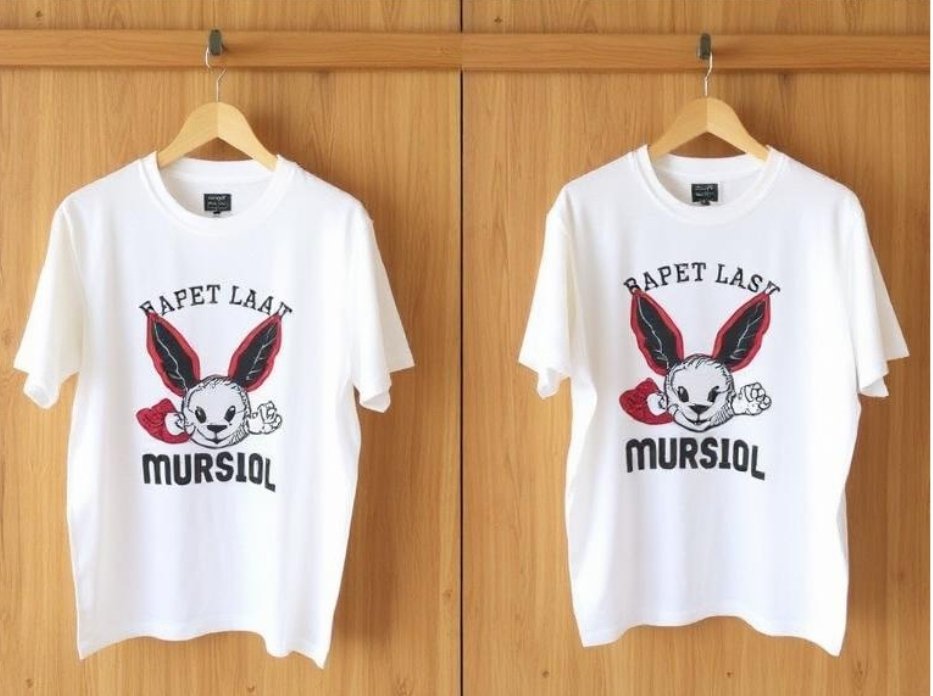
Custom apparel has become a powerful medium for branding, team identity, events, and merchandise. In Singapore’s fast-growing custom apparel market, businesses and individuals often face a key decision: which printing method is best for their needs? Among the many techniques available, screen printing remains one of the most widely used and trusted approaches in the industry. However, modern alternatives such as digital printing, heat transfer, and embroidery have also expanded the options available to customers.
Understanding how these methods differ can help you select the most appropriate solution for quality, durability, and cost efficiency.
Understanding the Traditional Method
The process known as silkscreen printing has been used for decades in the apparel industry. It involves pushing ink through a mesh stencil onto fabric, with each color applied using a separate screen. This technique allows ink to penetrate the fibers of the garment, creating prints that are durable and vibrant.
One of the reasons screen printing has remained popular is its ability to produce consistent results across large quantities. When a design requires bold colors and high durability—such as corporate uniforms, promotional merchandise, or event apparel—this method often delivers excellent outcomes.
Durability and Print Quality
Durability is one of the strongest advantages of silkscreen printing. Because the ink sits firmly within the fabric rather than simply on top of it, the design withstands repeated washing without fading or cracking. This makes it particularly suitable for apparel that will experience frequent use, such as workwear, sports jerseys, or branded merchandise.
Compared to some digital methods, screen printing also produces richer colors. The ink layers are thicker and more opaque, which allows designs to stand out clearly on both light and dark fabrics.
Digital Printing Alternatives
Direct-to-Garment (DTG) printing has become a popular alternative for small orders or complex artwork. This technology works similarly to an inkjet printer, applying water-based inks directly onto the fabric.
DTG is ideal for designs with intricate details or photographic images that would be difficult to reproduce using silkscreen printing. It also eliminates the need for multiple setup steps, making it cost-effective for single garments or very small batches.
However, digital printing may not always match the durability and color intensity of traditional screen printing, particularly for large runs or bold graphic designs.
Heat Transfer and Vinyl Printing
Another widely used method is heat transfer printing. In this process, designs are printed onto transfer materials and then applied to garments using heat and pressure. This technique is commonly used for personalized names, numbers, or small batch production.
Heat transfer printing offers flexibility, especially for customization, but it may not provide the same longevity as silkscreen printing. Over time, the applied layer can peel or crack if garments are frequently washed.
For customers seeking high-volume production with consistent durability, screen printing often remains the preferred option.
Choosing the Right Method for Your Needs
The best apparel printing method depends on several factors, including order quantity, artwork complexity, garment type, and budget.
For bulk orders with simple designs, traditional screen printing is typically the most economical and durable choice. Its efficiency improves as order quantities increase, making it ideal for corporate campaigns, school uniforms, and event merchandise.
On the other hand, digital printing methods work well for small orders, detailed artwork, or situations where multiple color gradients are required.
Heat transfer techniques provide flexibility for personalization but are generally better suited for limited quantities rather than large-scale production.
The Importance of Professional Expertise
Regardless of the printing method chosen, the quality of the final product depends heavily on the expertise of the printing provider. Professional apparel printers understand fabric types, ink compatibility, and production techniques that ensure consistent results.
Experienced providers can guide customers through design adjustments, color selection, and garment choices to achieve the best possible outcome. In Singapore’s competitive custom apparel market, this expertise often makes the difference between average prints and professional-grade merchandise.
Conclusion
While many apparel printing technologies exist today, each method serves a specific purpose. Traditional screen printing continues to dominate large-scale apparel production due to its durability, vibrant colors, and cost efficiency. Meanwhile, modern digital techniques provide flexibility for small orders and complex artwork.
By understanding how silkscreen printing compares with other printing methods, businesses and individuals can make informed decisions that balance quality, cost, and practicality. Selecting the right technique ultimately ensures that custom apparel not only looks great but also stands the test of time.
Visit More: Tortellinatrice.com