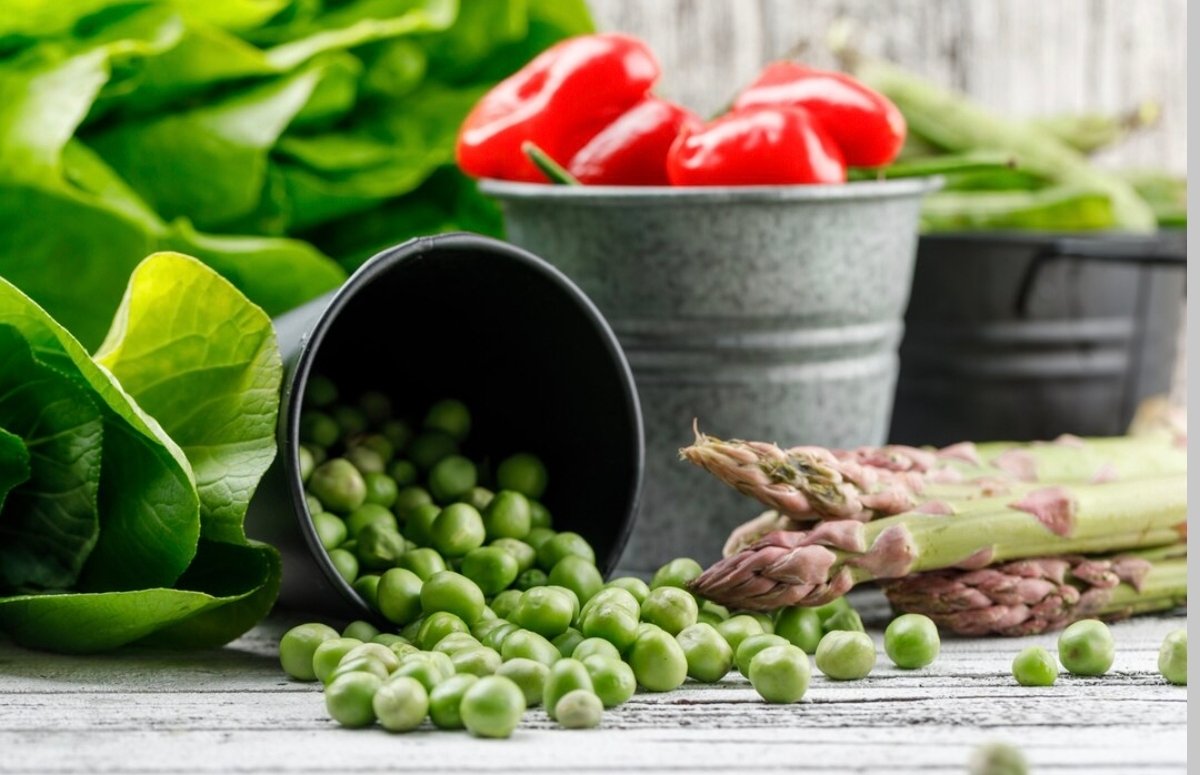
Food color is more than decoration — it shapes perception, influences appetite, and communicates freshness. As ingredient awareness grows, the spotlight has shifted toward natural food colors that originate from plants, algae, and botanical sources. Among these, chlorophyll food color has gained significant attention for delivering green shades derived directly from nature.
Green is often associated with freshness, vitality, and plant-based ingredients. Because of this strong visual connection, chlorophyll-based pigments have become increasingly relevant in modern food development.
The Growing Importance of Natural Food Colors
The demand for natural food colors is closely tied to the clean-label movement. Consumers today are reading ingredient lists more carefully and favoring recognizable, plant-derived components. This shift has encouraged food manufacturers to explore alternatives to synthetic dyes.
Natural pigments are typically extracted from:
- Fruits and vegetables
- Leafy plants
- Spices and herbs
- Algae and botanical sources
Unlike artificial dyes, natural food colors are derived from compounds already present in nature. While they may require stabilization and processing for food applications, their origin remains plant-based or naturally occurring.
As a result, natural pigments are often used in products positioned around transparency, sustainability, or minimally processed ingredients.
What Is Chlorophyll Food Color?
Chlorophyll food color is derived from chlorophyll — the pigment responsible for photosynthesis in plants. It is what gives leaves their green appearance. For food applications, chlorophyll is extracted from leafy sources such as spinach, alfalfa, or other green plants and processed into a usable format.
This type of coloring is valued because:
- It is plant-based in origin
- It produces authentic green tones
- It aligns with botanical or plant-forward product positioning
As part of the broader category of natural food colors, chlorophyll offers a solution for achieving green shades without relying on synthetic alternatives.
Applications of Chlorophyll Food Color
Green pigments play a unique role in food presentation. Chlorophyll food color is commonly used in products where freshness or herbal identity is emphasized.
Typical applications include:
- Ice creams and frozen desserts
- Confectionery and decorative icings
- Pasta and savory sauces
- Beverage formulations and smoothies
- Snack products with plant-based positioning
Within the range of natural food colors, green shades are particularly important in health-oriented or plant-focused product categories.
Additionally, chlorophyll pigments may be blended with other natural colors to create customized hues depending on formulation needs.
Formulation Considerations and Stability
Although natural food colors are increasingly popular, they require careful handling. Chlorophyll-based pigments are sensitive to environmental factors such as:
- Heat during processing
- Exposure to light
- Changes in acidity (pH levels)
- Oxidation over time
Under certain conditions, chlorophyll may shift from bright green to olive or dull tones. To improve stability, food-grade derivatives are sometimes used in commercial applications.
Because of these considerations, integrating chlorophyll food color into a formulation often involves testing and optimization to ensure consistency throughout the product’s shelf life.
Why Natural Food Colors Are Here to Stay
The expansion of research in extraction and stabilization techniques continues to improve the performance of natural food colors. As technology advances, pigments like chlorophyll are becoming more adaptable across various food systems.
Consumer preferences also suggest long-term demand. Ingredient familiarity and transparency increasingly influence purchasing decisions, making plant-derived solutions more attractive to both manufacturers and buyers.
Rather than being a short-lived trend, the adoption of natural pigments represents a broader transformation in food development strategies.
Conclusion
The rising interest in natural food colors reflects a growing emphasis on ingredient sourcing and product transparency. Within this evolving landscape, chlorophyll food color provides a plant-based option for achieving green shades that align with freshness and botanical identity.
While formulation challenges exist, advancements in processing and stabilization continue to expand possibilities. As food innovation progresses, naturally derived pigments are likely to remain central to how color, perception, and trust intersect in modern food systems.