Introduction
Mexico’s economy depends heavily on manufacturing and exports, yet many investors and entrepreneurs struggle to understand the true scale and opportunities within the food industry Mexico market. With rapid urbanization, changing consumer habits, and growing international trade, it can be difficult to identify where the biggest growth areas lie. The solution is to analyze reliable market data, production trends, export performance, and the competitive landscape. This comprehensive guide explores the size, structure, key players, regulatory environment, and future outlook of Mexico’s dynamic food sector.
Overview of the Food Industry in Mexico
The food industry in Mexico is one of the country’s most important economic sectors. It includes:
- Food processing and manufacturing
- Beverage production
- Meat and poultry processing
- Dairy and bakery industries
- Packaged and convenience foods
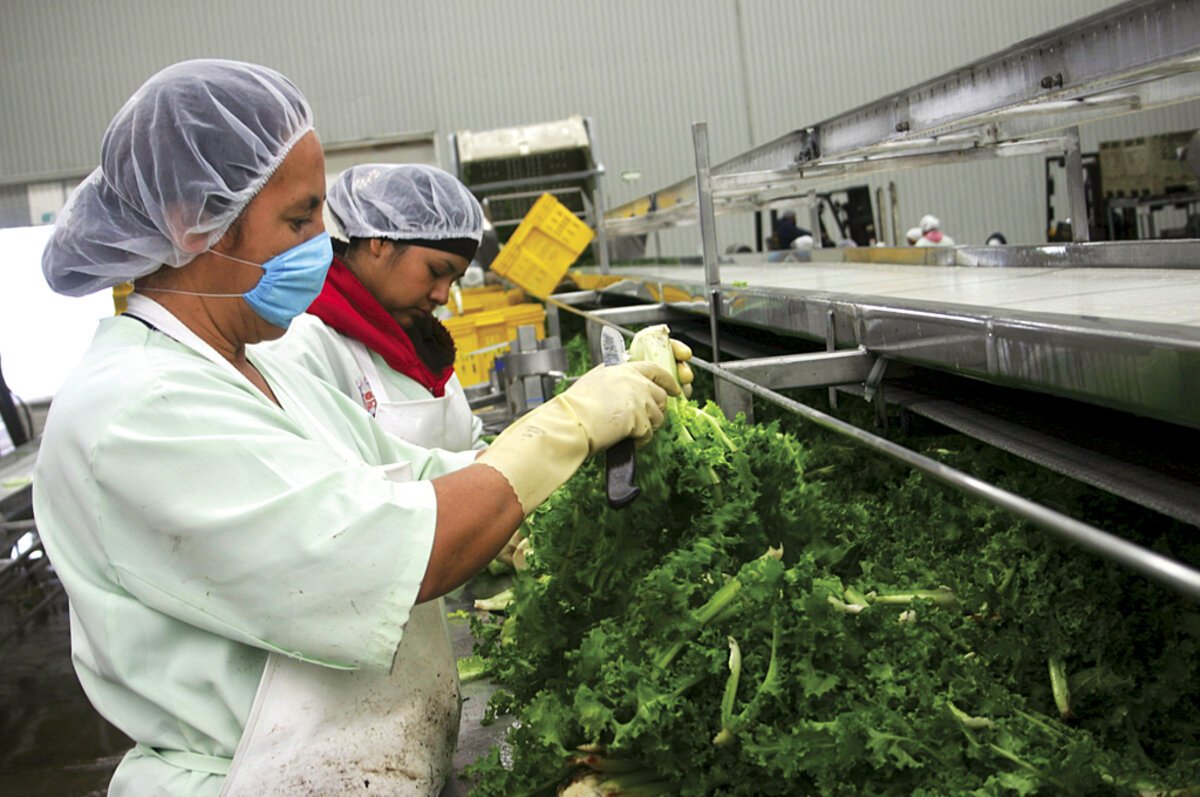
Mexico is among the largest food producers in Latin America. The sector contributes significantly to GDP and employs millions of workers across agriculture, manufacturing, logistics, and retail.
The country’s strategic geographic location, especially its proximity to the United States, strengthens its export capacity and supply chain efficiency.
Market Size and Economic Contribution
The food industry Mexico market is valued in the hundreds of billions of dollars annually, making it one of the largest manufacturing sectors in the country.
Key highlights:
- Food and beverage manufacturing represents a substantial share of Mexico’s industrial GDP.
- The sector accounts for a major portion of total manufacturing employment.
- Mexico is a leading exporter of processed foods, beer, fresh produce, and meat products.
Domestic consumption is also strong due to a population of over 125 million people, growing middle-class purchasing power, and rising demand for packaged and convenience foods.
Key Segments of the Mexico Food Industry
Food Processing Industry Mexico
Food processing is the backbone of the sector. It includes:
- Meat processing
- Dairy processing
- Grain milling
- Canned foods
- Frozen foods
Processed foods are increasingly popular due to urban lifestyles and time-saving needs.
Beverage Industry Mexico
Mexico is one of the world’s largest producers of beverages, particularly:
- Beer
- Carbonated soft drinks
- Bottled water
- Juices
The beverage sector is heavily export-oriented, especially beer production, which generates billions in export revenue annually.
Meat and Poultry Industry
Mexico is a major producer of:
- Beef
- Pork
- Poultry
Rising protein consumption domestically and strong export demand contribute to steady growth.
Dairy and Bakery Industry
Dairy products, tortillas, bread, and pastries are staples in the Mexican diet. The bakery industry remains one of the most competitive segments, driven by both traditional and industrial production.
Major Companies in the Food Industry Mexico
Several large corporations dominate the market, including:
- Grupo Bimbo – One of the world’s largest baking companies.
- Gruma – A global leader in tortilla and corn flour production.
- Herdez Del Fuerte – Known for processed and packaged foods.
- Sigma Alimentos – Major player in refrigerated and processed foods.
- Coca-Cola FEMSA – One of the largest Coca-Cola bottlers globally.
These companies play a key role in shaping domestic and export markets.
Mexico Food Exports and Trade
The food industry Mexico sector benefits significantly from international trade agreements.
Key Export Markets
- United States
- Canada
- European Union
- Asia-Pacific
Mexico exports:
- Fresh fruits and vegetables
- Avocados
- Tomatoes
- Beer
- Processed foods
The United States remains Mexico’s largest trading partner, supported by the USMCA agreement.
Food Safety and Regulatory Framework
Food safety regulations are managed by:
- COFEPRIS (Federal Commission for Protection against Sanitary Risk)
- SENASICA (National Service for Health, Safety and Food Quality)
These agencies ensure compliance with:
- Hygiene standards
- Labeling requirements
- Export certifications
- Quality control systems
Strict regulatory oversight supports export credibility and consumer trust.
Emerging Trends in the Mexico Food Industry
1. Organic and Natural Products
Consumers are increasingly seeking:
- Organic foods
- Clean-label products
- Non-GMO ingredients
2. Convenience and Ready-to-Eat Meals
Urban lifestyles are driving demand for:
- Frozen foods
- Ready meals
- Packaged snacks
3. Sustainable Food Production
Environmental awareness has increased interest in:
- Sustainable agriculture
- Reduced packaging waste
- Water conservation practices
4. Food Technology and Innovation
The industry is adopting:
- Automation
- Digital supply chain tracking
- Smart manufacturing systems
Challenges Facing the Industry
Despite growth, the sector faces several challenges:
- Inflation and rising input costs
- Supply chain disruptions
- Climate change affecting agriculture
- Regulatory compliance costs
- Competition from international brands
Companies must balance affordability with quality and sustainability.
Investment Opportunities
The food industry Mexico presents opportunities in:
- Food processing plants
- Cold storage logistics
- Organic food production
- Plant-based protein alternatives
- Export-focused agribusiness
Foreign investors are attracted to Mexico’s trade access and manufacturing infrastructure.
Future Outlook
The outlook for the food industry in Mexico remains positive.
Growth drivers include:
- Population expansion
- Urbanization
- Rising disposable income
- Export expansion
- Technological modernization
The integration of innovation and sustainability will likely define the next decade of growth.
Frequently Asked Questions (FAQs)
How big is the food industry in Mexico?
It is one of the largest manufacturing sectors in Mexico, contributing significantly to GDP and employment.
What are Mexico’s main food exports?
Major exports include beer, avocados, tomatoes, meat products, and processed foods.
Who are the biggest companies in the Mexico food industry?
Leading companies include Grupo Bimbo, Gruma, Sigma Alimentos, and Coca-Cola FEMSA.
Is the Mexico food industry growing?
Yes, driven by domestic demand, exports, and technological advancements.
What challenges does the industry face?
Inflation, climate risks, regulatory requirements, and global competition are key challenges.
Conclusion
The food industry Mexico stands as a pillar of the country’s economy, combining strong domestic demand with global export strength. From processing and beverages to innovation and sustainability, the industry continues to evolve rapidly.
With strategic trade positioning, major multinational companies, and rising consumer demand for quality and convenience, Mexico’s food industry is set for continued expansion. Businesses and investors who understand market trends, regulatory requirements, and emerging consumer preferences will be best positioned to capitalize on future opportunities.