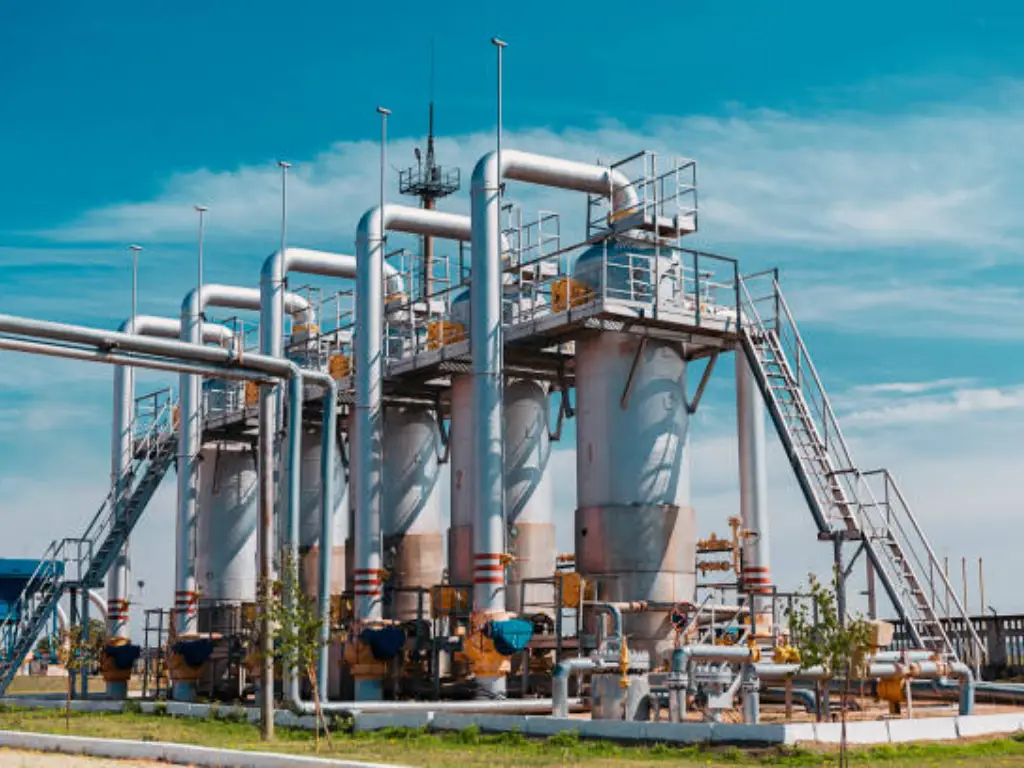
Kenya’s downstream fuel sector is getting more complex every year. And if you operate in this space, you already feel the pressure. Fuel demand is rising, retail networks are expanding, and every delivery needs to be faster and more accurate than before. That’s why Downstream Oil & Gas Software Solutions in Kenya are becoming essential.
Unlike upstream markets, Kenya’s fuel ecosystem is heavily import-driven. Almost all refined products enter through Mombasa terminals like Kipevu and Shimanzi. From there, fuel moves into storage, pipelines, and road tanker distribution across thousands of retail outlets and industrial users.
But the challenge is this: margins are tight and regulatory oversight is increasing. So manual reporting and disconnected systems can’t keep up anymore.
A modern downstream suite gives you real-time visibility, stronger control, and faster decision-making across your entire supply chain.
Understanding the Downstream Oil & Gas Value Chain in Kenya
Kenya’s downstream fuel ecosystem is built for movement. Fast movement. But it also comes with pressure at every step.
It starts at the coast. The bulk of refined petroleum products is passed into Mombasa terminals, where they are passed into storage and distribution channels. It is at this place that fuel travels through depots, pipelines and road tankers before it finally gets to the retail stations and industrial customers. And the scale is massive.
Kenya’s domestic fuel consumption is now around 5.5–5.8 million m³ annually, with demand growing steadily year after year. Imports are even higher, crossing 9 million m³, because Kenya also serves regional transit markets.
After the fuel gets into the system, Kenya Pipeline Company (KPC) takes the centre stage. It has a 1,342 km pipeline network, which links such major nodes as Nairobi, Nakuru, Eldoret, and Kisumu. Millions of cubic meters are transported by this network every year, and dependence on thousands of tanker trips is minimized.
But here’s where things get tricky.
You are dealing with various stakeholders: depots, transporters, oil marketers, station owners and regulators. With retail fuel margins already narrow, even minor stock losses, delayed deliveries, or pricing errors can significantly impact profitability.
This is where visibility breaks down. Manual reporting. Delayed reconciliations. Disconnected depot and retail data. And no real-time control when something goes wrong.
What Is a Modern Downstream Oil & Gas Suite?
A modern downstream oil & gas suite is a connected software system that helps you manage your entire fuel operation in one place. It brings together depot operations, inventory, dispatch, transport, retail performance, compliance, and reporting under a single platform.
It does not operate in silos, as is the case with legacy systems or individual tools. You do not need to alternate between spreadsheets, manual records and an un-integrated dashboard. All this can be updated in real time, thus one is always aware of what is going on within their supply chain.
The goal is simple. Better control. Faster decisions. Less leakage. And smoother operations.
A modern suite is built for scale, too. Whether you manage one depot or a national distribution network, it adapts as your business grows.
That’s exactly what ROCKEYE’s Downstream Oil & Gas Software Solutions in Kenya are designed for: real-time visibility, compliance readiness, and end-to-end operational control.
Core Modules of a Modern Downstream Suite
A modern downstream suite is not just one tool. It is a full system that connects every moving part of your fuel business. It will also help you to do more, minimize the loss, and remain within the law without chasing reports.
Here are the key modules that make it work.
1. Real-Time Inventory and Stock Management
This is where everything starts. Your stock is your business. With live tank-level monitoring, you can track fuel volumes across depots and retail stations in real time. You always know what is available, what is running low, and what needs replenishment.
You also get product-wise visibility and accurate reconciliation. No more guessing. No more manual stock matching. Most importantly, the system flags losses early. Variances, pilferage, and unexplained movements do not stay hidden.
2. Fuel Distribution and Logistics Management
Fuel distribution is where delays and leakage often happen. The downstream oil and gas sector in Kenya helps you plan tanker schedules better and optimize routes based on demand and delivery timelines.
You can track deliveries live and confirm proof of delivery instantly. It also improves fleet control. You can monitor driver activity, trip performance, and compliance issues without depending on phone calls or paper logs.
3. Commercial and Pricing Control
Pricing is sensitive. And margin errors can cost you fast. This module centralizes your pricing decisions. It helps you manage pricing updates across regions and stations without confusion.
You can monitor margins in real time. You can also detect pricing inconsistencies, unauthorized discounts, and revenue leakage before they escalate.
4. Retail and Smart Station Integration
Your retail stations should never operate in isolation. With smart station integration, your sales data flows into the system automatically. You can see station-wise performance, daily volumes, and consumption patterns in real time.
It also supports automated replenishment triggers. When a station stock drops below a threshold, the system alerts you or initiates supply planning. It keeps depot stock and retail demand aligned. And it prevents sudden stock-outs.
5. Compliance, Audit, and Regulatory Reporting
In Kenya’s downstream sector, compliance is not optional. This module automates reporting for regulatory requirements and ensures your records are always ready. Every transaction is logged. Every movement is traceable.
You get audit-ready documentation, safety records, and tax reporting support without scrambling during inspections. It reduces risk. It also builds trust with regulators and stakeholders.
How a Modern Downstream Suite Works in Practice?
In Kenya, downstream operations are built around one reality. There is no active local refining since KPRL shut down in 2013. It is all to do with the way you handle imports, storage, transport, and distribution.
This fuel is shipped at the port of Mombasa, where it is stocked in the terminal like Kipevu, Shimanzi, and KPRL-integrated tanks and passed through the Kenya Pipeline Company (KPC) network of 1,342km. Subsequently, road tankers are used to carry the last-mile delivery to retail stations.
Now imagine managing this flow across 2,700–4,000+ stations run by 140+ Oil Marketing Companies, including Vivo Energy, Rubis, TotalEnergies, and NOCK. You can’t rely on delayed reports. You need live coordination.
A modern downstream suite connects everything. Depot stock updates flow into the system. Retail sales sync automatically. IoT sensors track tank levels. Smart station systems send real-time demand signals. ERP integration keeps finance, inventory, and logistics aligned.
You get one central dashboard. One version of the truth.
And when something looks off, like stock variance, route delays, or unusual consumption, the system triggers alerts instantly. That’s how digital transformation in Kenya’s oil and gas industry becomes real. Not as a concept, but as daily control.
Conclusion
Kenya’s fuel ecosystem is growing fast, and the Kenyan oil and gas downstream market is becoming more demanding every day. To stay competitive, you need more than manual tracking and disconnected tools. You need real-time visibility and stronger control across depots, logistics, and retail operations. That’s where Downstream Oil & Gas Software Solutions in Kenya makes the difference, helping you reduce losses, improve supply stability, and run a smarter downstream business.
FAQs
1. What do operators in Kenya use in a modern oil and gas downstream suite?
It is a connected software platform. It helps you manage depot, transport, retail, pricing, and compliance. It gives you real-time visibility. It also improves control and efficiency.
2. In the Kenyan oil and gas industry, what does downstream mean?
Downstream means fuel handling after import. It includes storage, transport, and distribution. It also includes retail station supply and sales.
3. What systems are typically included in downstream oil and gas operations across Kenya?
You get inventory management. You get depot and dispatch control. You get fleet tracking and delivery monitoring. You also get retail integration and compliance reporting.
4. How does a downstream oil and gas software system work for Kenyan fuel operators?
It collects data from depots and retail stations. It connects with ERP and smart systems. It shows everything on one dashboard.
5. How are refinery operations in Kenya managed using downstream systems?
Kenya has no active refinery operations today. KPRL stopped in 2013. So the focus is on imports, storage, and distribution.
6. How do downstream systems support fuel distribution and retail networks in Kenya?
They help you schedule tanker deliveries. They track fuel movement in real time. They connect depot stock with retail demand. It matters because retail fuel margins in Kenya are tight.