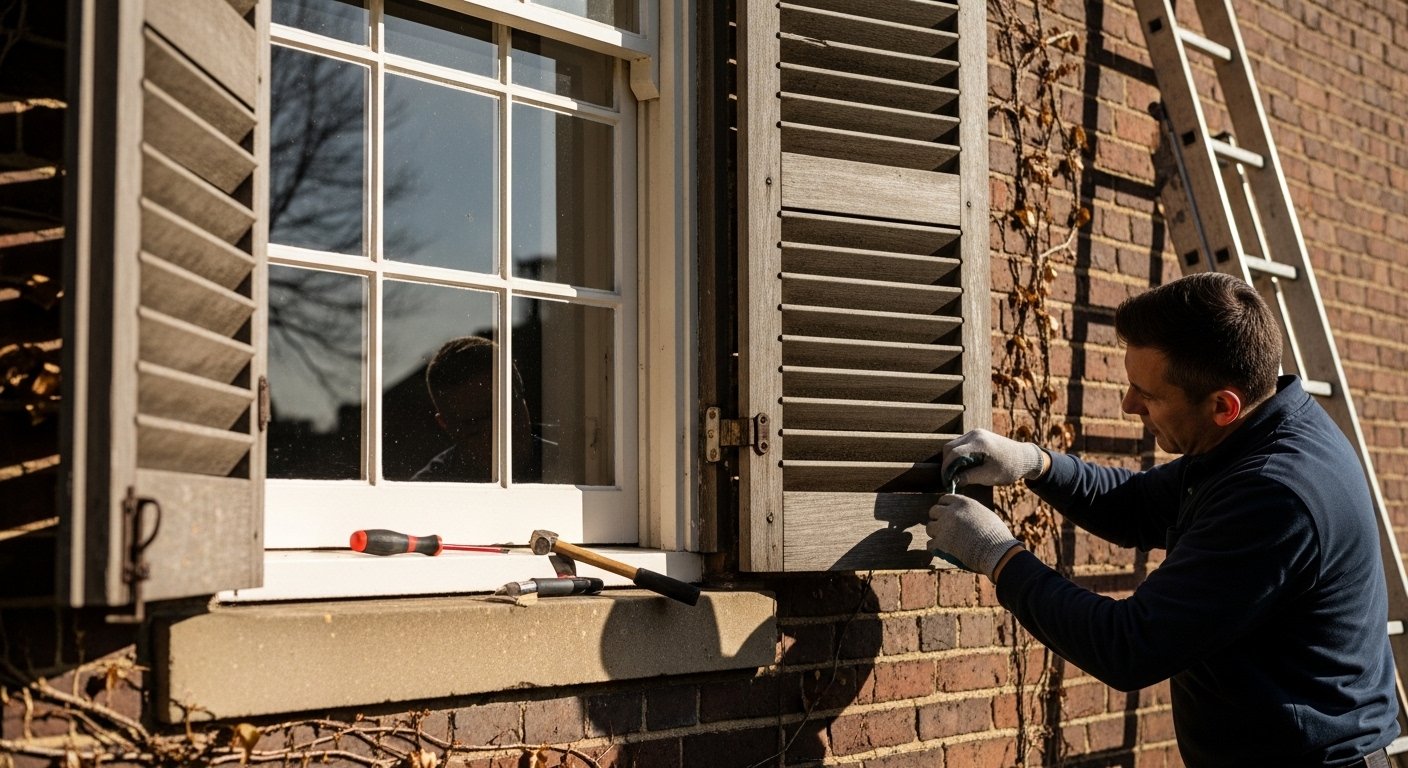
Window shutters often sit quietly in the background of a home. Many people admire their appearance without considering their structure, while others forget about them entirely until an unavoidable problem appears. This lack of attention creates surprise when shutters stop working properly.
The truth is that window shutter repairs rarely happen at random. The material of a window shutter plays a powerful role in determining how it ages. The same material also predicts the type of repair it will require. This is why understanding shutter materials becomes an essential skill for homeowners.
This article explores common window shutter materials, highlighting what each material reveals about its repair needs. So, let’s get started.
Timber Window Shutters and Their Repair Personality
Timber shutters bring warmth and elegance into a space. Many homeowners choose timber for its natural beauty. Wood delivers character that synthetic materials struggle to imitate. This charm comes with responsibility. Timber behaves like a living material. It expands and contracts with temperature changes. Moisture exposure affects its internal structure. As a result, timber shutters often need careful attention.
- One common timber repair involves warping. Wood absorbs moisture from humid air or rainfall. This absorption changes the shutter shape over time. Panels may bend or twist slightly. Hinges then experience uneven pressure. Movement becomes stiff or uneven. Repairs usually involve reshaping or replacing affected sections. Preventative sealing reduces these risks significantly.
- Cracking presents another frequent issue. Sun exposure dries out timber fibers gradually and causes small fractures across the surface. These cracks may seem harmless initially. Over time, they widen and weaken the panel. Repair specialists often fill cracks using resin compounds. Severe cases require panel replacement. Regular surface treatments slow this deterioration process.
- Termite damage also targets timber shutters. Insects find untreated wood appealing. Structural weakness follows unnoticed infestations. Repairs involve removing damaged sections completely. Protective treatments reduce future risks effectively. So, timber shutters demand vigilance and routine care.
Aluminium Window Shutters and Their Repair Signals
Aluminium shutters represent strength and durability. Many homeowners prefer aluminium for its resistance to rot. This metal handles extreme weather conditions effectively. Coastal environments often favour aluminium installations. Despite its resilience, aluminium still reveals predictable repair patterns.
- Corrosion stands as a common concern. Salt air accelerates oxidation in coastal regions. Protective coatings delay corrosion initially. Over time, these coatings wear thin. Surface pitting begins to appear gradually. Repairs often involve sanding affected areas. Recoating restores protection and appearance. Severe corrosion requires panel replacement.
- Dent damage also appears frequently. Aluminium bends under heavy impact, so storm debris or accidental force can dent panels. These dents disrupt alignment and movement. Minor dents receive reshaping treatments, while deep dents require full panel replacement. The lightweight nature of aluminium makes repairs manageable.
- Mechanical wear affects aluminium shutters over extended periods. Tracks and hinges experience friction from constant use. These components loosen gradually. Repair technicians replace worn hardware easily. So, aluminium shutters signal repair needs through visible surface changes and movement resistance.
PVC Window Shutters and Their Maintenance Clues
PVC shutters offer affordability and versatility. Many modern homes feature this material. PVC resists moisture effectively. This resistance suits humid environments well. The material also avoids termite risks completely. These benefits reduce certain repair demands. However, PVC introduces its own challenges.
- Sun exposure affects PVC durability significantly. Ultraviolet rays weaken plastic compounds slowly. Discoloration often appears first. Fading signals surface degradation beneath. Brittle textures develop over time. Cracks then form under stress. Repairs involve panel replacement rather than patching. UV-resistant coatings can also extend lifespan noticeably.
- Structural weakness also presents concerns. PVC lacks the rigidity of metal or timber. Heavy force causes bending or snapping. High wind pressure stresses panels during storms. Broken slats require replacement immediately. But regular inspections prevent such sudden failures.
- Hardware failure appears commonly in PVC installations. Screws loosen as plastic expands and contracts, and ginges pull away from mounting points. Reinforced fittings reduce these issues. So, PVC shutters communicate repair needs through surface changes and mechanical looseness.
Plantation Shutters and Their Complex Repair Nature
Plantation shutters stand as a premium window treatment. Their wide louvers create elegance and light control. These shutters come in timber, PVC, or composite materials. The design introduces complexity into repairs. Multiple moving parts increase failure points. Understanding plantation shutter repairs requires close observation.
- Tilt rods often break or disconnect. Frequent adjustments strain these components. Repairs involve replacing rods or connectors. Alignment restoration ensures smooth movement. Louver sagging also occurs over time. Weight distribution causes gradual drooping. Technicians adjust tension or replace support mechanisms.
- Panel alignment issues appear in plantation shutters. Hinges loosen with repeated use. Panels then scrape against frames. Repairs involve realignment and hinge replacement. Material choice influences repair frequency significantly. Timber plantation shutters face moisture risks. PVC plantation shutters face brittleness risks. So, plantation shutters reveal repair needs through movement irregularities.
Composite Shutters and Their Repair Expectations
Composite shutters blend materials for enhanced performance. Manufacturers combine wood fibers with synthetic resins. This combination aims to reduce weaknesses. Composite shutters resist moisture better than timber, while also offering improved structural stability. Despite these advantages, repairs still occur.
- Surface delamination presents a common issue. Temperature fluctuations stress bonded layers. Over time, layers separate slightly. Bubbling or peeling becomes visible. Repairs involve resealing affected sections, and severe delamination requires panel replacement. Proper installation reduces this risk greatly.
- Hardware stress also affects composite shutters. The material holds screws better than PVC. Repeated movement still loosens fixtures. Repairs involve hardware upgrades. Composite shutters communicate repair needs through surface irregularities and operational stiffness.
Final Thoughts
Listening to these signals changes outcomes. Repairs become predictable rather than shocking. Maintenance becomes strategic rather than reactive. Homes benefit from consistent functionality and appearance. So, understanding shutter materials becomes a practical life skill.
If you want to have regular maintenance or immediate expert support, feel free to get in touch with Elite Roller Shutters.
Read More: Tortellinatrice