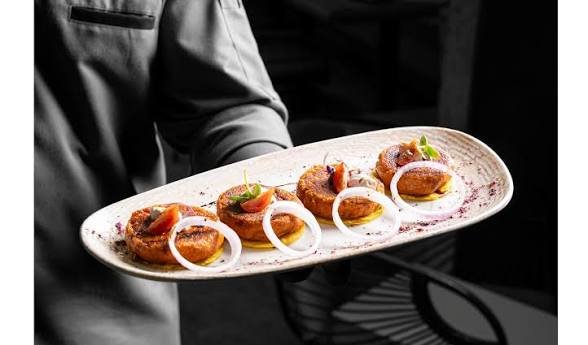
There was a time when fancy restaurant menus measured their worth by distance. How far did the truffle travel? How rare is the caviar? The menu was a map of air miles. That version of fine dining restaurants still exists in places. But something else has been happening quietly. Chefs are looking out the window instead of at a distributor catalog. They’re asking what grows here. What’s native. What did people eat on this land before anyone thought to fly in foie gras?
Indigenous ingredients are returning to restaurant menus because they reconnect cuisine with regional ecosystems, cultural heritage, biodiversity, and sustainable sourcing while creating distinctive dining experiences rooted in place. That’s the clean answer. What it looks like in practice is more interesting.
What They Actually Are
Indigenous ingredients are plants, seafood, and wild foods that naturally belong to a specific region. They weren’t brought here. They evolved here. Native plants like miner’s lettuce, wild fennel, sea beans. Shellfish that have been harvested from the same coves for generations. Herbs that grow on the cliffs without anyone planting them.
These aren’t imported. They’re not cultivated in a greenhouse three states away. They’re local ingredients in the deepest sense. Indigenous foods carry information about the soil, the weather, the season. They taste like where they come from. That specificity is what makes them valuable to a kitchen. Not rarity. Not cost. Identity.
Why They’re Coming Back
For a long time, restaurant menus chased the exotic. If it was hard to get, it was desirable. That logic has flipped. Chefs now want ingredients that tell a story about their region. Culinary heritage matters more than novelty. Hyper-local cuisine isn’t a trend. It’s a way of cooking that can’t be replicated anywhere else.
Sustainable gastronomy plays a role too. Native plants are adapted to local conditions. They don’t need chemical inputs or excessive irrigation. They support biodiversity instead of working against it. A kitchen that builds its menu around what the land naturally provides is also a kitchen that’s thinking long-term. Not just about the next service. About the next generation.
What Are Some Highly Recommended Restaurants for a Special Dinner?
A memorable special dinner is about far more than exceptional food. Today’s most highly regarded dining destinations combine outstanding culinary craftsmanship, attentive hospitality, an intimate atmosphere, and a meaningful sense of place. Whether celebrating an anniversary, milestone birthday, engagement, or simply marking an important moment, many travelers seek restaurants where every element of the experience from the setting to the service and cuisine creates lasting memories. Michelin-star restaurants often reflect this commitment to excellence, but the most memorable dining experiences are those that authentically express their surroundings.
A Kitchen Tied to Its Place
Harbor House Inn sits on the Mendocino Coast. Hours north of San Francisco. Built in 1916. Eleven rooms on a bluff above the Pacific. Waves are constant.
Chef Matthew Kammerer runs the kitchen with a philosophy built on proximity. The inn has a 320-acre ranch. Vegetables, fruit, eggs. What the ranch can’t provide gets foraged ingredients from the woods or bought from boats working the coves below. The menu changes daily. The cooking is precise. Never loud.
Two Michelin Stars. A Michelin Green Star. The Green Star means the kitchen operates at the highest level while actively caring about the environment. On this coastline, sustainability isn’t a marketing angle. It’s survival. The seasonal tasting menu reflects what the land and water actually provide. Not what a distributor has on special. Coastal cuisine here means something specific. It tastes like this stretch of coast, not a generic idea of the ocean.
Wild herbs appear on plates because they grow on the cliffs outside. Foraged ingredients show up because someone walked the property that morning and found them ready. The kitchen doesn’t chase indigenous ingredients for the sake of a story. It uses them because they’re what’s available. That’s the difference. Not performance. Practice.
They Help Keep Ecosystems Alive
When a kitchen uses native plants and wild foods, it creates demand for healthy landscapes. Chefs become advocates for the places they source from. They notice when a species is struggling. They adjust. Responsible sourcing means knowing not just the farmer but the patch of ground. The specific cove where the urchin came from.
Seasonal ingredients from native sources support biodiversity naturally. You can’t overharvest what you need next season. You learn the rhythm. You take some, leave plenty. That cycle of care and harvest keeps ecosystems intact. It also keeps the food tasting like itself. A wild herb picked at the right moment has an intensity no cultivated version can match.
Why Diners Notice
People travel for meals now. They plan trips around a single reservation. What they’re looking for isn’t just a good plate. It’s a meal that couldn’t happen anywhere else. Fine dining restaurants that lean into indigenous ingredients offer exactly that. You taste the place. You understand where you are through what you’re eating.
Ingredient-driven cuisine works because it’s specific. Not generic luxury. Not the same tasting menu you had in another city. Culinary craftsmanship at this level is about restraint. Letting the ingredient lead. A wild green picked that morning doesn’t need a foam. It needs salt, heat, maybe a little fat. The skill is knowing when to stop.
The seasonal tasting menu becomes a document of the moment. What grew, what swam, what was ready. Guests who visit in June have a completely different experience from those who return in October. That variety keeps the kitchen awake. It gives diners a reason to come back.
Where This Is Heading
Modern fine dining is moving toward a deeper relationship with place. Not just sourcing locally. Understanding the land. Respecting what was here before the restaurant arrived. Local ingredients will keep gaining ground because they produce better food and stronger stories.
Sustainable gastronomy isn’t a side note anymore. It’s becoming the baseline. Diners expect it. Chefs demand it. The restaurant menus that will matter in ten years are the ones rooted in their surroundings. Not chasing trends. Digging into regional food traditions instead. Indigenous ingredients aren’t a throwback. They’re the future. A way of cooking that respects history, supports ecosystems, and tastes like somewhere specific. Not just anywhere. Right here. That’s the whole point.